Introduction: Building Dreams with Pole Barn Garages
So, you're thinking about building a pole barn garage? You're not alone! This practical and versatile structure has become increasingly popular for homeowners. Whether you're looking for extra storage space, a workshop, or even a recreational area, a pole barn garage can serve multiple purposes. However, before you roll up your sleeves and dive into this ambitious project, it’s crucial to be aware of the potential pitfalls that might come your way.
In this article, we’ll explore Five Key Blunders That Will Haunt Your Pole Barn Garage Project. We’ll break down each blunder in detail and equip you with the knowledge needed to sidestep these common traps. So grab a cup of coffee, settle in, and let’s get started on your journey to building the perfect pole barn garage!
Blunder #1: Skipping the Planning Phase
The Importance of Planning Your Pole Barn Garage
When it comes to constructing a pole barn garage, planning is everything! Many folks dive right into construction without dedicating enough time to the planning phase. Why is this such a big deal? Well, proper planning helps you visualize the end product and can save you from costly mistakes down the line.
What Should You Consider During Planning?
Purpose of the Garage: Will it be used for storage, as a workshop, or maybe both? Defining its purpose will shape many decisions moving forward.
Size Specifications: Measure twice and build once! Think about what you'll store or work on in there—this will help determine how big it needs to be.
Location: Is your chosen spot accessible? Is it within zoning regulations? Checking local zoning laws can save you a headache later.
Budgeting: Create an estimated budget that includes materials, labor costs (if applicable), and any permits needed.
Design Elements: Will you want windows for natural light or insulation for climate control? Consider these details early on.
Common Mistakes Made During Planning
- Ignoring Local Regulations: Failing to check zoning laws may lead to fines or even having to take down your structure. Underestimating Costs: A vague budget can quickly spiral out of control if you're not keeping tabs on expenses. Overlooking Site Preparation: Not properly prepping the site can lead to issues like drainage problems later on.
By taking the time to plan thoroughly, you set yourself up for success!
Blunder #2: Choosing Inferior Materials
Quality Over Quantity When Selecting Materials
Let’s face it; nobody wants their shiny new pole barn garage falling apart after just a few seasons! One of the most significant blunders people make is opting for cheaper materials in an attempt to cut costs.
What Materials Should You Use?
Wood Quality: If you’re using wood posts, make sure they are treated against rot and insects.
Roofing Options: Metal roofs are durable but consider other options like asphalt shingles based on your climate.
Insulation Choices: Don’t skimp on insulation if you plan on using your garage year-round.
Foundation Material: A strong foundation is key! Concrete is generally preferred over gravel.
Doors and Windows: Invest in quality doors and windows that provide good insulation and security.
The Risks of Using Cheap Materials
- Shorter Lifespan: Inferior materials will wear out faster than high-quality options. Safety Hazards: Weak structures pose risks during extreme weather conditions. Higher Long-term Costs: Investing less now could mean spending more later on repairs or replacements.
Remember—using quality materials isn’t just an expense; it's an investment in peace of mind!
Blunder #3: Neglecting Proper Ventilation
Why Ventilation Matters in Your Pole Barn Garage
Ever been inside an unventilated space during summer? Yikes! It gets hot fast! Proper ventilation is crucial for maintaining comfortable temperatures and preventing moisture buildup in your Pole Barn Garage Builders in Springfield pole barn garage.
How Can You Ensure Adequate Ventilation?
Windows: Incorporate operable windows that can be opened when needed.
Vents: Roof vents allow heat to escape while keeping cooler air circulating throughout.
Fans: Ceiling fans or portable fans can significantly improve airflow if natural ventilation isn’t sufficient.
Air Conditioners/Heaters: If you're serious about using this space year-round, consider HVAC solutions tailored for garages.
Humidity Control Measures: Use dehumidifiers if moisture becomes an issue during certain seasons.
Consequences of Poor Ventilation
- Mold Growth: High humidity levels create ideal conditions for mold—definitely not something you want! Uncomfortable Working Conditions: Extreme temperatures make tasks unbearable. Material Damage: Excess moisture can warp wood or rust metal components over time.
In short, don’t underestimate ventilation; it’ll save you headaches—and money—later!
Blunder #4: Forgetting About Electrical Needs
Power Up Your Pole Barn Garage Correctly
Imagine working away at your project only to realize there aren’t enough outlets—or worse yet—a surge damages your tools because of faulty wiring! This nightmare scenario happens all too frequently when homeowners overlook electrical needs during construction.
What Electrical Considerations Should You Keep in Mind?
Outlet Placement: Plan outlet locations based on where you'll need power tools most frequently.
Lighting Solutions: Install bright overhead lights along with task lighting in critical areas.
Circuit Load Calculations: Ensure circuits can handle all devices without tripping breakers frequently!
Safety Features: GFCI outlets offer protection from electrical shocks—especially important if water is present near any sources of electricity.
Future Expansion Plans: If you anticipate needing more power later (like adding machinery), factor that into your design now so you aren't tearing walls apart later!
Risks Associated with Poor Electrical Planning
- Fire Hazards: Faulty wiring increases fire risks significantly. Equipment Damage: Surges can destroy sensitive tools costing thousands! Inconvenience: Lack of adequate outlets leads to messy extension cord setups—yikes!
Take electrical planning seriously; it's worth every minute spent upfront!
Blunder #5: Ignoring Maintenance Factors
Keeping Your Pole Barn Garage Functional Long-term
So you've built the pole barn garage of your dreams—now what? Many folks forget maintenance after construction wraps up yet neglecting upkeep means problems will sneak up on you faster than you'd think!
Maintenance Tasks You Shouldn’t Skip
1. Regular Inspections: Check for signs of wear-and-tear every season so issues are caught early-on! 2. Cleaning Gutters & Drains: Clear debris regularly preventing water damage around foundations. 3. Mold Removal: Inspect hidden areas where moisture may accumulate; keep things dry! 4. Paint Touch-ups: Protect wooden elements by repainting them every https://www.earthmom.org/mcminnville/construction-contracting/dean-lindsey-construction few years as necessary. 5. Pest Control Measures: Regularly inspect spaces between walls; seal entry points where critters could come inside!
Consequences of Skipping Maintenance
- Costly Repairs Later On: Small issues grow into bigger ones requiring hefty investments down-the-line! - Decreased Property Value: Neglect signals disinterest affecting potential resale value negatively! - Havoc from Pests: Infestations cause structural damage while creating uncomfortable environments overall!
Investing time into regular maintenance preserves functionality while enhancing longevity—believe me—you'll thank yourself later!
FAQs About Pole Barn Garages
FAQ 1 - What Is a Pole Barn Garage?
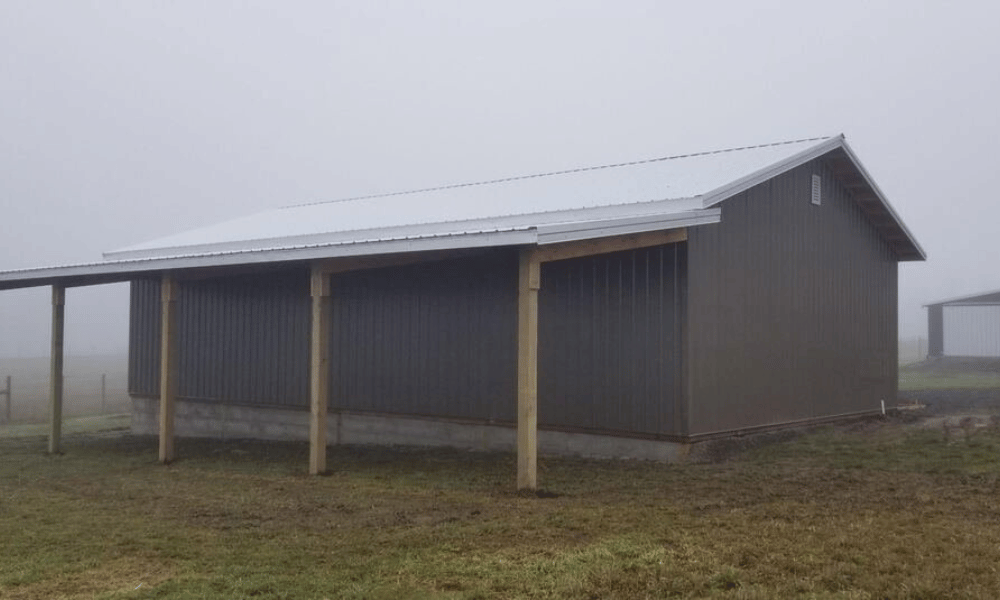
A pole barn garage is a type of structure supported by vertical poles set directly into the ground rather than relying solely on traditional foundation methods like concrete slabs or footings.
FAQ 2 - How Much Does It Cost To Build A Pole Barn Garage?
The cost varies widely depending upon size specifications/material choices but averages around $20-$40 per square foot.
FAQ 3 - Do I Need A Permit To Build A Pole Barn Garage?
Most municipalities require building permits unless specific exemptions apply; always check local regulations before starting construction!
FAQ 4 - Can I Insulate My Pole Barn Garage?
Absolutely! Insulation improves climate control while reducing energy costs—options include spray foam panels/fiberglass batting.
FAQ 5 - How Long Does It Take To Build A Pole Barn Garage?
Construction timelines depend largely upon size/completeness factors but typically range from several weeks up until several months depending upon weather conditions & material availability.
FAQ 6 - Are There Any Financing Options Available For Building A Pole Barn Garage?
Yes! Many lenders offer loans specifically designed for agricultural buildings including garages; check eligibility requirements beforehand.
Conclusion
Building a pole barn garage isn't just about hammering nails together; it's a detailed process requiring thoughtful planning at every stage—from selecting quality materials through ensuring long-lasting functionality via regular maintenance routines afterward too! By steering clear from these five key blunders discussed above (planning inadequately choosing inferior materials neglecting ventilation overlooking electrical needs ignoring maintenance), you'll pave the way toward enjoying this functional space worry-free!
So what are ya waiting for? Get out there and start making those dreams become reality—with proper awareness backing ya all along this exciting journey ahead!